CDCP
Does the CDCP Cover Dentures in Canada? (2026 Guide)


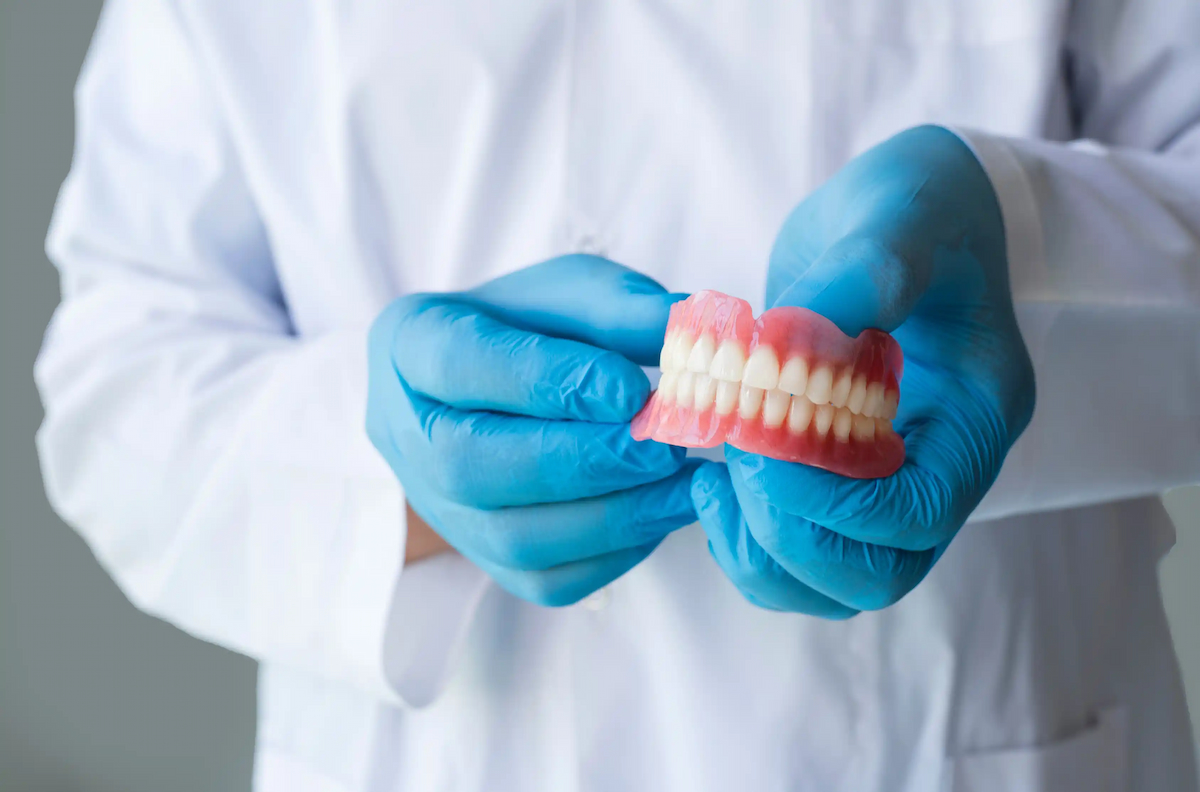
Yes, the does cover dentures for eligible Canadians. According to Health Canada's official page, both complete and partial dentures are included in the plan. That said, coverage isn't automatic for all types of dentures. Initial placement of partial dentures requires preauthorization, and what you actually pay out of pocket depends on your household income.
What Type of Dentures Does the CDCP Cover?
The CDCP covers a range of denture services under its prosthodontic (tooth replacement) category. Here's what's included:
| Denture type | Covered by CDCP? | Preauthorization required? |
|---|---|---|
| Complete standard dentures | Yes | No (for initial placement) |
| Temporary dentures | Yes | No |
| Immediate dentures | Yes | Yes |
| Complete dentures with soft liner | Yes | Yes |
| Removable partial acrylic dentures | Yes | Yes |
| Removable partial cast dentures (metal framework) | Yes | Yes |
| Overdentures | Yes | Yes |
| One-tooth flippers | Yes | May not require preauthorization in some cases |
| Denture repairs and additions | Yes | No (within frequency limits) |
| Denture relines and rebases | Yes | No (within frequency limits) |
| Tissue conditioning | Yes | No |
| Implant-supported dentures | No | Not applicable |
One important exclusion: implant-supported dentures and all implant-related procedures are not covered under the CDCP. Removable conventional dentures are the supported option for missing teeth.
Are Partial Dentures Covered by the CDCP?
Yes, partial dentures are covered by the CDCP, but they require preauthorization before treatment starts. According to the CDCP Dental Benefits Guide published by Health Canada, the initial placement of a partial denture requires prior approval from Sun Life before your denturist or dentist can begin fabrication.
There are two main types of partial dentures and their frequency limits differ:
There are two main types of partial dentures and their frequency limits differ:
- Removable partial cast dentures (metal framework): covered once per arch every 96 months (8 years)
- Removable partial acrylic dentures: covered once per arch every 60 months (5 years)
How Much Will You Pay for Dentures Under the CDCP?
The CDCP is not free dental care for everyone. What you pay depends on two things: your household income, and whether your provider charges above the CDCP fee guide.
Co-payment based on income:
| Adjusted family net income (AFNI) | Government pays |
|---|---|
| Under $70,000 | 100% of CDCP fees |
| $70,000 to $79,999 | 60% of CDCP fees |
| $80,000 to $89,999 | 40% of CDCP fees |
| $90,000 and over | Not eligible |
Balance billing:
The CDCP has its own fee guide, which is often lower than what dentists actually charge. If your provider's fee is higher than the CDCP rate, you pay the difference on top of any co-payment. For example, if the CDCP fee guide allows $800 for a service your dentist charges $1,000 for, you owe $200 plus any applicable co-payment percentage.
Before treatment begins, ask your provider for a predetermination. This tells you exactly what the CDCP will cover, what their fee is, and what you'll owe. Do not skip this step.
Frequency Limits for Denture Replacement
The CDCP sets limits on how often dentures can be replaced. Based on Health Canada's Dental Benefits Guide:
One thing worth knowing: because CDCP does not always have prior claims history, providers may assess eligibility for new dentures even if existing ones are present. However, approval depends on clinical need and program rules. Health Canada notes that providers are encouraged to consider repairs, relines, and rebases as alternatives before recommending new dentures.
- Complete standard dentures: once every 8 years per arch
- Partial acrylic dentures: once every 5 years per arch
- Partial cast dentures: once every 8 years per arch
- Denture relines and rebases: generally once per prosthesis every 24 months
- Denture repairs and additions: once per prosthesis in any 12 months
One thing worth knowing: because CDCP does not always have prior claims history, providers may assess eligibility for new dentures even if existing ones are present. However, approval depends on clinical need and program rules. Health Canada notes that providers are encouraged to consider repairs, relines, and rebases as alternatives before recommending new dentures.
Who is Eligible for CDCP Denture Coverage?
To access CDCP coverage for dentures (or any dental service), you need to meet all of the following criteria:
The CDCP benefit year runs from July 1 to June 30. Coverage must be renewed annually. To qualify for the 2026-2027 benefit year, your 2025 tax return needs to be filed and assessed.
- You are a Canadian resident
- You have filed your most recent tax return
- Your adjusted family net income (AFNI) is below $90,000
- You do not have access to any private dental insurance, including through an employer, pension plan, or any other source
The CDCP benefit year runs from July 1 to June 30. Coverage must be renewed annually. To qualify for the 2026-2027 benefit year, your 2025 tax return needs to be filed and assessed.
How to get Dentures Through the CDCP
- Confirm your eligibility: Check your status at canada.ca/dental or call 1-833-537-4342. Make sure your taxes are filed before you apply.
- Find a CDCP-participating provider: Not every dentist or denturist accepts the CDCP. Confirm before booking. Participating providers can direct-bill Sun Life, which means you only pay your share rather than paying upfront and seeking reimbursement. If you're not sure where to start, matches you with CDCP-participating providers in your area based on your preferences.
- Book a consultation: Your provider will assess your needs, determine which denture type is appropriate, and let you know whether preauthorization is required.
- Request a predetermination: Before agreeing to any treatment, ask your provider to submit a predetermination to Sun Life. This gives you a clear picture of what the CDCP will cover versus what you'll pay out of pocket.
- Wait for preauthorization if required: If your treatment needs prior approval (partial dentures, immediate dentures, overdentures), don't start treatment until written approval comes back from Sun Life. Starting before approval means the claim won't be covered.
- Have your dentures made and fitted: Once approved, your provider will take impressions, fabricate the dentures, and fit them. The CDCP fee includes a 3-month post-insertion period for adjustments.
What the CDCP Does Not Cover for Dentures
- Implant-supported dentures and all implant-related procedures (explicitly excluded)
- Dentures obtained before you had CDCP eligibility (the plan won't retroactively cover existing dentures)
- Cosmetic enhancements beyond standard clinical function
- Any balance above the CDCP fee guide rate (this is your responsibility regardless of income)
Frequently Asked Questions

Easily find trusted dentists nearby

Personalized AI Matching
Easy Online Booking
100% Free
Related Articles




Find the Right Dentist Instantly
Tell us what you need, and Denzy searches every clinic near you and matches you to the right one.

Personalized AI Matching

Easy Online Booking

100% Free